Alpha-lipoic acid (also known as lipoic acid or thioctic acid) is an organosulfur compound found in the body and synthesized by plants and animals. It is present in all cells of the body and helps convert glucose into “fuel” that the body uses as an energy source.
Is it “essential” to consume a certain amount of alpha-lipoic acid every day? Not exactly, which is why it is not considered an “essential nutrient.”
Although we can produce it ourselves without supplements or external food sources, a diet rich in antioxidants and the possible use of ALA supplements can increase the amount circulating in the body. Studies show that this can have considerable beneficial effects.
The most important role of ALA in the body is to combat the effects of free radicals, which are dangerous byproducts of chemical reactions that form during the oxidation process. In our cells, ALA is converted into dihydrolipoic acid, which has protective effects on normal cellular reactions, such as those involved in metabolic functions and neuron signaling.
Like other antioxidants, alpha-lipoic acid can help slow down cellular damage, which is one of the root causes of disease. It also works in the body to restore levels of essential vitamins, such as vitamin E and vitamin C, and acts as a cofactor for several important mitochondrial enzymes. In addition, it helps the body digest and utilize carbohydrate molecules. It has exceptional bioavailability due to its low molecular weight. This means that it is easily absorbed by the intestine. Furthermore, its lack of ionic charge means that it does not interact with other nutrients present in the digestive system, which further improves its assimilation by the body.
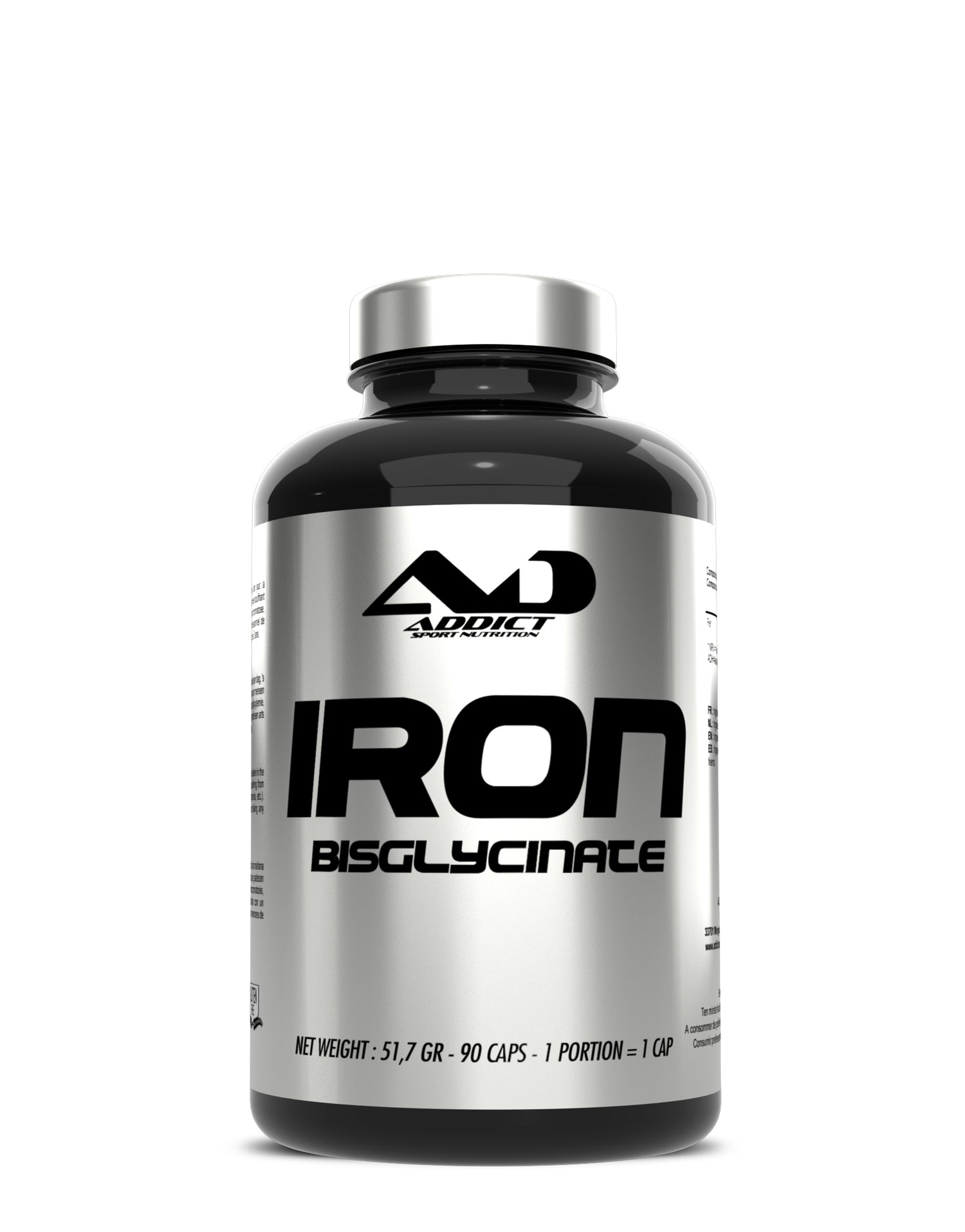
Bisglycinate is considered a safer and more effective form of iron than ferrous sulfate, iron citrate, and iron D-gluconate. These latter forms are known to cause numerous side effects, including gastric disorders. Studies conducted on ferrous bisglycinate have not revealed any negative side effects on the stomach and intestinal lining.
·Iron contributes to normal cognitive function
·Iron contributes to normal energy metabolism
· Iron contributes to the normal formation of red blood cells and hemoglobin
·Iron contributes to the normal transport of oxygen in the body
·Iron contributes to the normal functioning of the immune system
·Iron contributes to reducing fatigue
·Iron plays a role in the process of cell division






There are no reviews yet.